Inspire Sleep Apnea & MRI: Safety EssentialsIf you’re an
Inspire Sleep Apnea
therapy user, or perhaps considering this innovative treatment, understanding
MRI safety
is incredibly important. You’ve probably got questions swirling around, like, “Can I even get an MRI with my device?” and “What do I need to know to stay safe?” Well, guys, you’re in the right place! We’re diving deep into everything you need to know about navigating
magnetic resonance imaging
(MRI) scans when you have an
upper airway stimulation
device like Inspire. This isn’t just some dry medical jargon; we’re breaking it down into a super friendly, easy-to-understand guide to help you feel confident and informed. Our main goal here is to make sure you’re equipped with all the
essential information
to ensure your
patient safety
and the continued effectiveness of your
sleep apnea treatment
. It’s crucial to remember that while technology has advanced significantly, making many devices
MRI compatible
, there are always specific protocols and precautions that must be followed. We’ll explore what Inspire therapy is, how MRIs work, and most importantly, the specific guidelines and steps you need to take before, during, and after an MRI scan. We want to empower you, our awesome readers, with the knowledge to discuss your specific situation confidently with your
healthcare providers
and ensure a smooth and safe experience. So, let’s get into the nitty-gritty of
Inspire Sleep Apnea MRI safety
and put your mind at ease. We’ll cover everything from preparing for your scan to understanding the technology involved, all while keeping a casual and informative tone. Stay with us as we unravel the complexities and provide you with clear, actionable advice on this vital topic. This article is your go-to resource for understanding the ins and outs of ensuring your safety with your Inspire device during an MRI, so grab a comfy seat and let’s get started on becoming an expert on your own medical care!## Understanding Inspire Sleep Apnea TherapyFirst off, let’s get a solid grasp on what
Inspire Sleep Apnea
therapy actually is, for those who might be new to it or just need a refresher. If you’re one of the many folks struggling with
Obstructive Sleep Apnea
(OSA) and traditional treatments like CPAP haven’t quite cut it, Inspire offers a fantastic alternative. It’s an innovative, implantable
medical device
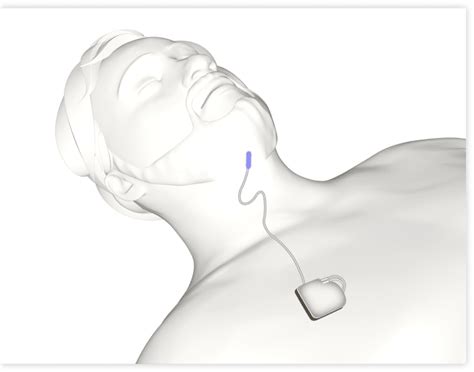
designed to treat OSA by keeping your airway open while you sleep. Think of it as a smart little system working quietly inside you. The core of Inspire therapy involves a small device, similar to a pacemaker, that’s surgically implanted under the skin in your chest. This device has two leads: one senses your breathing patterns, and the other gently stimulates the hypoglossal nerve, which controls the muscles of your tongue and other soft tissues in your airway. When you’re asleep and your breathing pauses or gets shallow, the device detects this and delivers a mild stimulation to these muscles, moving your tongue and soft palate forward. This subtle movement prevents the airway from collapsing, allowing you to breathe normally and sleep soundly. It’s pretty neat, right? You use a small, hand-held remote to turn the therapy on before bed and off when you wake up. This means
no masks, no hoses
, and no forced air pressure, which is a huge win for many people who find CPAP uncomfortable or ineffective. The
benefits
of Inspire therapy are significant, guys. Patients often report dramatically improved sleep quality, reduced snoring, increased daytime energy, and a better overall quality of life. It’s a game-changer for so many. The typical patient for Inspire therapy is someone with moderate to severe OSA who hasn’t found success with CPAP and meets specific anatomical criteria. Your doctor will do a thorough evaluation, including an endoscopy, to make sure you’re a good candidate. Understanding how Inspire works is the first crucial step in appreciating why
MRI compatibility
and
Inspire Sleep Apnea MRI safety
are such important topics. Because it’s an active, implanted electronic device, its interaction with the powerful magnetic fields of an MRI scanner needs careful consideration. This isn’t just any old implant; it’s a sophisticated piece of technology that plays a vital role in managing your
sleep apnea treatment
. So, while it’s incredibly effective, knowing its technical aspects helps us better understand the safety protocols we’ll discuss next. Remember, this therapy is all about giving you back those peaceful, uninterrupted nights, and we want to ensure any necessary medical procedures, like an MRI, can be done safely and without compromising your treatment.## The Basics of MRI TechnologyAlright, let’s switch gears a bit and talk about what an MRI actually is, because understanding the technology behind it helps us really grasp why
Inspire Sleep Apnea MRI safety
is such a big deal. When we talk about
magnetic resonance imaging
, or MRI, we’re talking about one of the most powerful and detailed diagnostic tools available to modern medicine. Unlike X-rays or CT scans, which use ionizing radiation, MRIs use
strong magnetic fields
and
radio waves
to create incredibly detailed images of organs and soft tissues inside your body. It’s pretty sci-fi, if you ask me! Here’s the super simplified breakdown: when you lie inside an MRI scanner, a powerful magnet temporarily realigns the hydrogen atoms, which are abundant in your body’s water molecules. Then, radio waves are pulsed through your body, knocking these aligned atoms out of position. When the radio waves are turned off, the hydrogen atoms quickly relax back into alignment with the main magnetic field, releasing energy as they do. Different tissues relax at different rates and emit different signals. The MRI machine detects these signals, and a computer processes them to create those incredibly clear, cross-sectional images that doctors use to diagnose a wide range of conditions, from brain tumors to ligament tears. This is why MRIs are so powerful for things like brain, spine, joint, and soft tissue imaging—they provide a level of detail that other imaging techniques simply can’t match. However, this power also comes with considerations, especially when
medical devices
are involved. The super-strong magnetic fields can potentially interact with implanted metallic or electronic objects. We’re talking about things like pacemakers, certain types of metal implants, and, yes,
upper airway stimulation
devices like Inspire. The concerns include:
heating
of the device or leads,
movement
of the device within the body (though this is rare with modern implants), and
malfunction
or damage to the device’s electronics, which could disrupt its therapy or even necessitate replacement. For an
Inspire Sleep Apnea
patient, a malfunctioning device means a return to untreated sleep apnea, which is definitely something we want to avoid. This is precisely why the manufacturers of devices like Inspire, alongside medical professionals, have developed strict
MRI compatibility
guidelines and
patient safety
protocols. They’ve done extensive testing to understand how these devices behave in an MRI environment. So, when your doctor talks about
