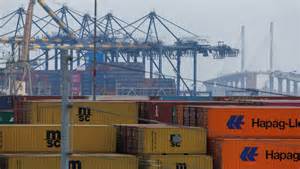
IUS China Tariffs: Your Guide to the Real Impact Hey everyone, ever wondered what’s really going on with those
IUS China tariffs
we keep hearing about? You’re not alone, guys! It’s a complex topic that touches everything from the price of your favorite gadgets to the livelihood of businesses big and small. These tariffs aren’t just some abstract economic concept; they have
real-world consequences
that affect
your wallet
and
the global economy
. We’re talking about a series of duties, or taxes, imposed by the United States on goods imported from China, often with a reciprocal response from China. The whole idea behind them, from the U.S. perspective, was typically to address perceived unfair trade practices, protect domestic industries, and rebalance trade deficits. But as with anything this massive, the ripple effects are far-reaching and often unexpected. We’ve seen shifts in global supply chains, price increases for consumers, and even innovative strategies from businesses trying to adapt. This article is going to break down the ins and outs of
IUS China tariffs
, explaining what they are, why they were implemented, and most importantly, what their
true impact
has been on various stakeholders, including businesses, consumers, and even the geopolitical landscape. We’ll dive deep into how these tariffs have reshaped international trade, forcing companies to reconsider their manufacturing locations, sourcing strategies, and pricing models. So buckle up, because we’re about to demystify one of the most significant trade policies of recent years, giving you a clear, human-readable insight into a topic that’s often shrouded in complex economic jargon. It’s time to understand the
big picture
and how these tariffs might continue to evolve, affecting us all. ## What Exactly Are IUS China Tariffs?
IUS China tariffs
refer to the import duties levied by the United States on various products originating from China. These aren’t just random taxes; they are part of a broader trade strategy, often initiated under specific legal sections like Section 301 of the Trade Act of 1974. Essentially, the U.S. government, claiming certain Chinese trade practices were unfair or detrimental, decided to impose additional charges on a huge range of Chinese imports. Think of it like this: when a product made in China, let’s say a smartphone component or a piece of clothing, enters the U.S., it normally incurs a standard import duty. With the
IUS China tariffs
, an
additional
percentage is tacked on, making those goods more expensive for U.S. importers. This cost then often gets passed down the supply chain. The initial rounds of tariffs targeted specific categories, but they quickly expanded to cover a
vast array of goods
, from industrial machinery to consumer electronics and even agricultural products. The rationale, often cited by U.S. policymakers, included concerns over intellectual property theft, forced technology transfers, and massive trade deficits. The goal was to pressure China into changing its trade policies and to protect American industries and jobs. It’s been a
contentious issue
, sparking debates about free trade, protectionism, and international relations. China, in turn, retaliated with its own set of tariffs on U.S. goods, escalating what many described as a “trade war.” This tit-for-tat exchange created an incredibly uncertain environment for businesses globally. Understanding the legal basis, the scope of goods affected, and the
stated objectives
is crucial for anyone trying to make sense of the economic shifts we’ve witnessed. These tariffs weren’t a one-off event; they unfolded in phases, with different lists of products being subjected to varying duty rates, constantly changing the landscape for importers and exporters alike. It’s a
dynamic situation
that requires constant monitoring and adaptation from all players involved. ## The Tangible Impact on Businesses and Consumers When we talk about
IUS China tariffs
, the discussion quickly turns to their
real-world impact
on everyone from massive multinational corporations to your average shopper. For businesses, especially those heavily reliant on Chinese supply chains, these tariffs have been a
game-changer
, and often, a
headache
. Importers suddenly faced significantly higher costs for their goods. Imagine you’re a small business owner, guys, selling electronics sourced from China. Suddenly, your costs jump by 15% or 25%. What do you do? You have a few options, none of them easy. You might absorb some of the cost, eating into your profit margins, which is
tough for profitability
. Or, you could pass the cost onto consumers, leading to
higher prices
on the shelf. This is where consumers feel the pinch. That new gadget you wanted, those stylish clothes, or even parts for manufacturing other goods – they all become more expensive. This inflation can reduce consumer purchasing power, affecting overall demand. Beyond direct costs,
IUS China tariffs
forced many companies to
rethink their entire supply chain strategy
. Businesses started exploring
diversification
, looking for alternative suppliers outside of China in countries like Vietnam, Mexico, or India. This shift isn’t simple; it involves significant investment, new logistics, and sometimes compromises on quality or scale. Some companies even resorted to
reshoring
manufacturing back to the U.S., though this is often an expensive and complex undertaking. Large corporations might have the resources to adapt, but
small and medium-sized enterprises (SMEs)
often struggle the most, lacking the capital and flexibility to pivot quickly. The impact isn’t just felt by direct importers; manufacturers using Chinese components, retailers selling imported goods, and even service providers supporting these industries are all affected. The
uncertainty
generated by the ongoing tariff situation also deterred investment and made long-term planning incredibly difficult. For consumers, this translates not just into higher prices but potentially
fewer choices
or
delays
as supply chains adjust. It’s a domino effect, starting with the tariff and cascading down to affect
every single link
in the economic chain, making careful financial management and strategic planning more crucial than ever for businesses trying to survive and thrive in this challenging environment. It’s truly a testament to how interconnected our global economy is, guys. ## Navigating the Complex Tariff Landscape Okay, so if you’re a business grappling with
IUS China tariffs
, what are your options? Navigating this complex landscape requires a
multi-faceted strategy
and a willingness to adapt. One of the primary approaches businesses have adopted is
supply chain diversification
. Instead of relying solely on Chinese manufacturers, companies are actively seeking suppliers in other countries, often referred to as “friend-shoring” or “near-shoring.” This not only mitigates tariff risks but can also enhance supply chain resilience by reducing dependence on a single region. However, this isn’t a quick fix; it involves significant research, vetting new partners, and potentially higher initial costs or longer lead times. Guys, it’s a
major undertaking
! Another crucial strategy involves
tariff engineering
. This means redesigning products or processes to change their classification under customs codes, potentially moving them into a category with lower or no tariffs. It’s a legal and often complex process that requires deep expertise in customs regulations. Some businesses have also explored
contract manufacturing
outside China, or even
relocating parts of their production
to non-tariff countries, creating a “China-plus-one” strategy. This means maintaining some operations in China for the vast domestic market but producing for export elsewhere. For companies that must continue importing from China, strategies include negotiating
cost-sharing agreements
with suppliers, where both parties absorb a portion of the tariff cost, or adjusting pricing models to factor in the increased expenses. Furthermore, understanding and potentially utilizing
tariff exclusions
can provide temporary relief. The U.S. government has, at times, granted exclusions for specific products, allowing them to be imported without the additional duties. Staying informed about these exclusions and their expiration dates is vital. For exporters, finding
new markets
to offset lost sales in China due to retaliatory tariffs has been key. Ultimately, success in this environment often hinges on
agility
,
accurate forecasting
, and
robust financial planning
. Businesses need to continuously monitor trade policy developments, engage with industry associations, and seek expert advice to ensure compliance and identify opportunities to minimize tariff impacts. It’s about being proactive rather than reactive, making calculated moves to stay competitive and profitable despite the ongoing trade headwinds caused by
IUS China tariffs
. ## The Future Outlook of IUS China Tariffs So, what does the future hold for
IUS China tariffs
? That’s the million-dollar question, guys, and it’s certainly
not straightforward
. The landscape is constantly evolving, influenced by political shifts, ongoing trade negotiations, and global economic conditions. While the tariffs were initially imposed under specific administrations with clear intentions, their continuation and modification depend heavily on
current and future geopolitical strategies
. We’ve seen periods of escalation, followed by temporary truces or “phase one” deals, but a complete reversal or elimination of all tariffs seems
unlikely in the short term
. Both the U.S. and China view trade policy as a strategic lever, not just an economic one. One potential scenario is the
gradual adjustment
of tariffs, perhaps targeting specific industries or products, rather than a broad-stroke removal. This could happen as part of ongoing bilateral negotiations aimed at addressing underlying trade issues like market access, intellectual property rights, and state subsidies. Another possibility is a
more targeted approach
where tariffs are used as a tool to achieve specific industrial policy goals, such as fostering domestic production in critical sectors like semiconductors or renewable energy. The global political climate, including relations with allies and competitors, will also play a significant role. Businesses need to prepare for
continued volatility
and the possibility of new tariffs or changes to existing ones. This means building even more
resilient supply chains
, embracing
diversification
, and staying incredibly
agile
. The long-term impact of
IUS China tariffs
might involve a permanent shift in global manufacturing away from China, at least for goods destined for the U.S. market. This “decoupling” or “friend-shoring” trend could accelerate, leading to new economic hubs emerging in Southeast Asia, Mexico, or even back in North America. For consumers, this could mean
stable prices
if new supply chains become efficient, but also potentially
higher baseline costs
for certain goods if production shifts to more expensive regions. Ultimately, the future of
IUS China tariffs
will be shaped by a complex interplay of economic necessity, national security concerns, and political will, making it a critical area to watch for anyone involved in international trade or interested in global economics. It’s a
marathon, not a sprint
, and understanding the underlying forces is key. To wrap things up,
IUS China tariffs
have undeniably reshaped the global trade landscape, proving to be far more than just a temporary blip. They’ve sparked a fundamental reevaluation of supply chains, forced businesses to innovate, and ultimately impacted the pockets of consumers worldwide. We’ve seen how these duties, initially aimed at rebalancing trade, created complex challenges and opportunities. While the future remains uncertain, the lessons learned are clear:
agility, diversification, and informed decision-making
are paramount for navigating an increasingly complex global economy. For businesses and individuals alike, understanding the nuances of these tariffs isn’t just academic; it’s essential for planning, adapting, and thriving in this new era of international trade. Keep an eye on these developments, guys, because their ripple effects will continue to shape our world for years to come.
