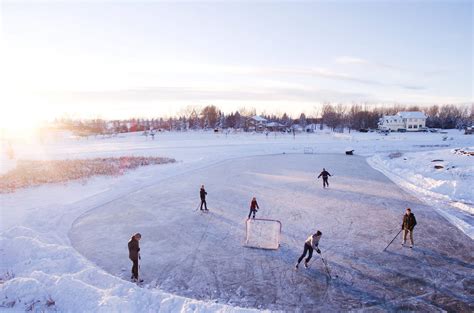
Outdoor Ice Hockey: Your Complete GuideSometimes, guys, there’s just nothing quite like hitting the ice under the open sky, feeling the crisp air on your face, and hearing the satisfying thwack of a puck on a stick. That, my friends, is the pure magic of
outdoor ice hockey
, and it’s an experience that every hockey enthusiast should embrace. Forget the stuffy, climate-controlled rinks for a moment and imagine the raw, authentic thrill of the game as nature intended. Whether you’re a seasoned player or just lacing up skates for the first time, this guide is your go-to resource for everything related to playing hockey outdoors. We’re talking about everything from the gear you need to the best spots to play, and even how to make sure you’re staying safe and having a blast while doing it. It’s more than just a game; it’s a tradition, a community, and a chance to connect with the sport in a truly unique way. So, let’s dive in and explore the wonderful world of outdoor ice hockey, making sure you’re fully equipped to enjoy every single moment on that natural ice. We’ll cover all the bases to ensure your outdoor hockey adventures are nothing short of legendary.## The Thrill of Outdoor Ice HockeyThere’s a special kind of exhilaration that only
outdoor ice hockey
can provide, a feeling that resonates deep within the soul of any true hockey player or fan. It’s about more than just the game itself; it’s about the environment, the atmosphere, and the sheer
freedom
of playing under the vast, open sky. Imagine the sun setting, casting long shadows across a freshly flooded pond, or the gentle snowfall during a friendly pick-up game—these are the moments that truly define the sport for so many of us. This isn’t just hockey; it’s an
adventure
.The
unique experience
of playing outdoor ice hockey is something truly unparalleled. It strips the game down to its purest form, often away from the bright lights and strict rules of organized leagues. Here, the emphasis shifts to camaraderie, skill, and the simple joy of moving the puck and chasing the biscuit with your buddies. The sounds are different too: the whisper of the wind, the crunch of skates on natural ice, and the shouts of encouragement echo across a much wider, more expansive arena. It’s a chance to unplug, unwind, and truly immerse yourself in the moment.Many of us grew up with stories, or even firsthand experiences, of lacing up skates on a frozen pond, using old boots for goal posts, and playing until our fingers and toes were numb. This is the very essence of
pond hockey
, and it’s a tradition that continues to thrive in colder climates. It fosters a sense of community and connection that’s often harder to find in more formal settings. You’ll find players of all ages and skill levels coming together, sharing laughs, trading friendly jabs, and enjoying the timeless appeal of the game. It teaches adaptability, as you learn to navigate uneven ice, battle through snow, and adjust your game to the whims of Mother Nature.The physical benefits of
outdoor ice hockey
are also fantastic. You’re getting a great cardio workout, improving your agility, and strengthening your core, all while breathing in fresh, crisp air. Mentally, it’s a phenomenal stress reliever. The focus required to play, combined with the natural surroundings, can be incredibly therapeutic. It’s a chance to escape the everyday grind and just
play
. There’s a raw authenticity to it, a connection to the roots of the game that you simply can’t replicate indoors. For many, it’s not just a sport; it’s a winter ritual, a cherished memory in the making, and a testament to the enduring spirit of hockey. So go on, embrace the cold, feel the ice beneath your blades, and rediscover the profound joy of outdoor hockey. It truly is a blast, guys!## Essential Gear for Outdoor Ice HockeyAlright, guys, let’s talk turkey about what you need to hit the ice safely and comfortably when you’re out there enjoying
outdoor ice hockey
. Playing outdoors brings a whole new set of challenges and considerations, mainly revolving around the cold and the unpredictable nature of natural ice. So, while some of your standard hockey gear will definitely come in handy, there are a few extra bits and bobs, and some crucial adaptations, that’ll make all the difference. Think of this as your ultimate checklist to ensure you’re prepared for whatever Mother Nature throws your way.First up, your
skates
. While your regular hockey skates are generally fine, ensure they’re sharp! Outdoor ice, especially natural ice, can be rougher, and a good edge will give you the grip you need.
Proper fit
is key, as ill-fitting skates can cause cold feet even faster. For your
stick
, a composite stick is durable, but some prefer the feel and responsiveness of a wooden stick in colder temps, as composites can sometimes feel a bit brittle. The most important thing here is personal preference, but always have a spare, just in case!Now, for
protective gear
, this is where things get really important for
outdoor ice hockey
. A
helmet with a cage or full shield
is non-negotiable. Even in casual games, unexpected falls on hard, uneven ice can lead to serious injuries. While you might not need full shoulder pads for a friendly pick-up game,
elbow pads and shin guards
are highly recommended. They protect against impacts from falls, pucks, and sticks. And don’t forget
hockey gloves
—they protect your hands from cold and slashes. But beyond standard protection, we’re talking about staying warm!This brings us to
clothing
, which is absolutely critical for outdoor play. Layering is your best friend, guys. Start with a
moisture-wicking base layer
to keep sweat away from your skin, preventing that clammy, cold feeling. Over that, add an insulating layer, like a fleece or wool sweater. Your outer layer should be a
windproof and water-resistant jacket and pants
. Think ski gear or specialized outdoor hockey apparel. You want something that can block the wind, repel snow, and still allow you to move freely. A good pair of
thick, wool socks
(but not so thick they cramp your skates!) will help keep your feet toasty. And seriously,
don’t forget a warm hat or toque
that fits under your helmet, and a
neck warmer or balaclava
. These make a huge difference in retaining body heat.Finally, let’s talk
accessories
for
outdoor ice hockey
. You’ll want plenty of
pucks
—they tend to disappear into snow banks! A water bottle with a
thermos sleeve
or an insulated bottle is a must to keep your water from freezing. Hand warmers and toe warmers can be little lifesavers on especially frigid days, providing that extra boost of warmth when you need it most. A small
shovel
might even be handy for clearing a spot on a snowy pond. Remember, guys, the goal is to be comfortable and safe so you can focus on enjoying the game. Investing in the right gear, especially for warmth and protection, means more time on the ice and less time shivering or nursing bumps and bruises. Be smart, gear up, and get ready for some epic outdoor hockey!## Finding Your Perfect Outdoor RinkAlright, gang, you’ve got the gear, you’re hyped, but now comes the million-dollar question for any aspiring
outdoor ice hockey
player:
where
do you actually play? Finding the perfect spot can sometimes feel like a quest, but fear not! There are a ton of options, each offering its own unique charm and set of considerations. From naturally frozen ponds to purpose-built community rinks and even your very own backyard setup, let’s explore where you can lace up your skates and hit the ice for some classic outdoor hockey action.First up, the quintessential
outdoor ice hockey rinks
–
natural ponds and lakes
. This is the stuff of legend, the kind of place where countless childhood memories are made. The appeal of a vast, natural sheet of ice surrounded by trees or snow-covered landscapes is undeniable. However, and this is a
huge
however, safety is paramount here. You absolutely, positively must verify that the ice is thick enough and safe for skating. A good rule of thumb is at least 4 inches of clear, solid ice for individual skating, and more for groups or activities.
Never
assume ice is safe just because it looks frozen. Look for signs of others already skating, and if you’re unsure, check with local authorities or experienced locals.
Always be cautious of moving water underneath the ice
, such as inlets or outlets, as these areas are typically thinner. You’ll also want to watch out for cracks or discolored patches, which can indicate weak spots. When the conditions are right, though, playing on a natural pond is an experience that truly captures the spirit of the game.Next, let’s talk about
designated municipal or community rinks
. These are often fantastic resources for
outdoor ice hockey
enthusiasts. Many towns and cities in colder climates maintain outdoor rinks that are regularly flooded, cleared of snow, and sometimes even lit for evening play. These rinks offer a more reliable and often safer surface than natural ice. They’re fantastic for organized pick-up games, family skates, or just practicing your moves. They usually have benches, and sometimes even warming huts, making the experience much more comfortable. These are usually well-advertised by local park and recreation departments, so a quick search online for
