Photoshop: Make Your Colors Pop!
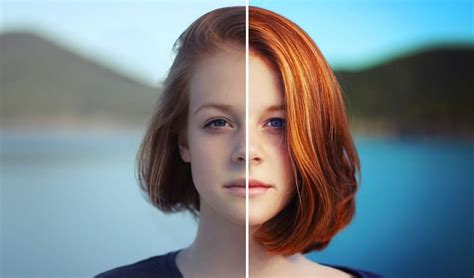
Photoshop: Make Your Colors Pop!
Hey creative folks! Ever look at a photo and think, “Man, those colors could be way more exciting?” You’re in luck, because today we’re diving deep into the magical world of Photoshop and unlocking the secrets to making your colors pop and truly vibrant . Whether you’re a seasoned pro or just getting your feet wet with photo editing, these techniques will seriously level up your game. We’re not just talking about slapping on a filter; we’re going to explore some powerful, yet easy-to-understand methods that will give your images that extra oomph they deserve. So, grab your favorite beverage, settle in, and let’s get those colors singing!
Table of Contents
- Understanding Color Theory Basics in Photoshop
- Essential Photoshop Tools for Color Enhancement
- Non-Destructive Editing: The Golden Rule
- Boosting Saturation and Vibrance Effectively
- The Vibrance Tool: Your Subtle Powerhouse
- Using Saturation Wisely
- Combining Vibrance and Saturation
- Advanced Techniques for Ultimate Color Impact
- Using Curves for Precise Color Control
- Color Grading and Look-Up Tables (LUTs)
- Using Blend Modes for Creative Color Effects
- Final Touches: Sharpening and Exporting
- The Importance of Sharpening
- Exporting for Web and Print
Understanding Color Theory Basics in Photoshop
Before we jump into the nitty-gritty tools, let’s have a quick chat about color. Understanding a little bit about color theory can be a game-changer when you’re working in Photoshop . Think of it like knowing your ingredients before you start cooking; it makes the whole process smoother and the results way tastier. The color wheel is your best friend here, guys. It shows you how colors relate to each other. You’ve got primary colors (red, yellow, blue), secondary colors (green, orange, purple – made by mixing primaries), and tertiary colors (combinations like blue-green). Knowing these helps you understand color harmony , which is basically how colors work together pleasingly. Complementary colors , for instance, are opposite each other on the wheel (like blue and orange). When placed next to each other, they create a really strong contrast and make each other look even more intense – perfect for making colors pop ! Analogous colors , on the other hand, are next to each other on the wheel (like blue, blue-green, and green). They tend to create a more harmonious and calming feel. When you’re editing in Photoshop, you’ll often be nudging sliders that affect these relationships. For example, boosting saturation might make complementary colors clash in a good way, while adjusting hues could bring analogous colors into a more cohesive blend. Don’t get overwhelmed; you don’t need a degree in art history! Just keep in mind that colors influence each other. A slightly warmer tone in your image can make reds and oranges feel more intense, while a cooler tone can make blues and greens sing. Also, consider color temperature – is your image leaning warm (yellows, oranges) or cool (blues, purples)? This can affect how vibrant your colors appear. A sunset shot might naturally be warm, and enhancing those warm tones will make it feel even more dramatic. A forest scene might be cooler, and boosting the greens and blues can make it feel lush and alive. Photoshop’s tools are designed to let you control these aspects with incredible precision. So, as we move forward, remember that a little bit of color knowledge goes a long way in creating truly vibrant and eye-catching images.
Essential Photoshop Tools for Color Enhancement
Alright, let’s get down to business with some of Photoshop’s most powerful tools for making your colors truly shine . These are the workhorses you’ll be using again and again to inject life into your images. First up, we have Hue/Saturation . This is your go-to for simple, straightforward color adjustments. You can easily tweak the hue (the pure color itself), the saturation (the intensity or purity of the color), and the lightness of specific color ranges or the entire image. Want to make those blues in the sky deeper? Select the blues and crank up the saturation. Need to make those reds in a flower garden more fiery? Do the same for the reds. It’s super intuitive! Then there’s Vibrance . This is a bit of a hidden gem, guys, and it’s fantastic for making colors vibrant without going overboard. Vibrance intelligently targets less saturated colors and boosts them more, while leaving already saturated colors relatively untouched. This means you get richer colors without accidentally making skin tones look unnatural or blowing out highlights. It’s the subtlety that makes Vibrance so brilliant for enhancing overall color impact. Next, let’s talk about Color Balance . This is where you can really get creative and steer the overall color cast of your image. You can adjust the balance of cyan/red, magenta/green, and yellow/blue across the shadows, midtones, and highlights independently. Want to add a bit of warmth to your shadows for a dreamy look? Slide towards red and yellow. Need to cool down the highlights to make whites appear crisper? Slide towards cyan and blue. It’s incredibly versatile for setting a mood or correcting color casts. And we absolutely cannot forget Selective Color . This is a more advanced, but incredibly powerful, adjustment layer. It allows you to target specific colors (like reds, yellows, blues, cyans, magentas, whites, neutrals, and blacks) and adjust the CMYK values within those colors. This gives you granular control. For example, you can make the cyans in your image more blue without affecting the reds at all. Or you can desaturate the yellows in the highlights to make the overall image cleaner. Mastering Selective Color can lead to some truly professional-looking results. Finally, for those wanting a dramatic punch, Levels and Curves aren’t just for contrast; they can be used to manipulate color channels individually, impacting saturation and hue in complex ways. By adjusting the red, green, and blue channels separately, you can dramatically alter the color profile of your image, creating unique and vibrant looks. Get familiar with these tools, and you’ll be well on your way to mastering color in Photoshop. Remember, using adjustment layers is always the best practice, as it keeps your original image intact and allows for non-destructive editing!
Non-Destructive Editing: The Golden Rule
Okay, listen up, future Photoshop wizards! One of the
most important
things you need to get the hang of is
non-destructive editing
. Seriously, guys, this is the golden rule of Photoshop, and it will save you so much heartache down the line. What does that even mean, you ask? It means you’re making changes to your image without permanently altering the original pixel data. Think of it like drawing on a transparent sheet placed over your photo, rather than drawing directly on the photo itself. If you mess up, or if you change your mind later, you can just lift the sheet and start over, or tweak your drawing without damaging the original artwork. In Photoshop, we achieve this primarily through
adjustment layers
. Instead of going to
Image > Adjustments
and picking something like
Hue/Saturation
(which directly modifies the pixels of your active layer), you’ll go to the
Layers
panel and click the little half-black, half-white circle icon at the bottom. From that menu, you’ll select your desired adjustment, like
Hue/Saturation
,
Vibrance
,
Color Balance
, or
Curves
. When you do this, Photoshop creates a new layer
above
your image layer. This adjustment layer contains the settings for your chosen adjustment. The magic here is twofold: Firstly, your original image layer remains completely untouched. You can turn the adjustment layer on and off with the little eye icon to see the before and after. Secondly, you can double-click on the adjustment layer at any time to re-open its settings and fine-tune them. You’re not locked into your initial choices! This is crucial when you’re trying to make colors
vibrant
. You might boost saturation today, but tomorrow you might decide it’s a bit too much. With an adjustment layer, you can just dial it back. You can also use
layer masks
that come attached to adjustment layers. Masks allow you to selectively apply or reduce the effect of an adjustment layer. For instance, you might want to make the sky
vibrant
but leave the skin tones of a person in the foreground natural. You can apply a saturation boost to the whole image using an adjustment layer, and then use a black brush on the layer mask to ‘paint away’ the effect from the person’s skin. This level of control is what separates amateur edits from professional ones. It allows for experimentation, correction, and refinement without the fear of ruining your hard work. So, always, always,
always
reach for adjustment layers when you’re tweaking colors, contrast, or anything else in Photoshop. Your future self will thank you!
Boosting Saturation and Vibrance Effectively
Now that we’ve covered the essential tools and the golden rule of non-destructive editing, let’s get hands-on with boosting saturation and vibrance in a way that makes your colors look vibrant and natural, not cartoonish. The key here is balance and targeting . Overdoing saturation is probably the most common mistake beginners make, resulting in images that look harsh and artificial. So, let’s learn to do it right, guys!
The Vibrance Tool: Your Subtle Powerhouse
We touched on
Vibrance
earlier, but it deserves its own spotlight because it’s just that good. Start by adding a
Vibrance
adjustment layer. You’ll notice two sliders:
Vibrance
and
Saturation
. The
Vibrance
slider is your primary tool for subtle enhancement. It intelligently increases the intensity of
less
saturated colors more than the already
highly
saturated ones. This means that subtle blues in a distant mountain range will become richer, and muted greens in a forest will deepen, without making the already bright red of a car look like a laser beam. This preservation of already saturated tones is what prevents skin tones from looking blown out or unnatural. So, gradually slide the Vibrance slider to the right, observing your image. You’ll typically see a beautiful, natural enhancement of the overall color depth. A little often goes a long way – maybe aim for an increase of 15-30 points to start.
Using Saturation Wisely
Now, what about the
Saturation
slider? This one is more direct. It increases the intensity of
all
colors equally. If you use this slider aggressively, you’ll quickly enter the danger zone of oversaturation. However, it’s not useless! Sometimes, you might have an image where
all
the colors are a bit dull, and you want a uniform boost. Or, you might want to selectively boost saturation for a specific color range. This is where combining Vibrance and Saturation, or using Saturation on specific color ranges within the
Hue/Saturation
adjustment layer, comes into play. If you use the
Hue/Saturation
adjustment layer, you can select a specific color (e.g., ‘Blues’) from the dropdown menu and then increase its
Saturation
slider. This allows you to make the sky a more intense blue without affecting the reds, greens, or yellows in the rest of the image. The trick is to make small adjustments and always zoom in to check for harsh transitions or ‘blown-out’ areas where detail is lost. If you see color fringing or a loss of detail, you’ve gone too far.
Combining Vibrance and Saturation
The most effective approach is often to use Vibrance for the overall, intelligent boost, and then use Saturation
selectively
(either on specific color ranges in
Hue/Saturation
or by using the
Saturation
slider in the
Vibrance
adjustment layer with extreme caution). For example, you might push Vibrance up by 20 points. Then, if you notice the reds in a specific object aren’t quite popping enough, you can add a
Hue/Saturation
adjustment layer, select ‘Reds’, and gently increase the Saturation for that specific color range, maybe only by 5-10 points. Always compare the effect against the original image and remember that subtle, targeted adjustments lead to the most
vibrant
and believable results. Don’t be afraid to experiment, but always keep an eye on the details and aim for a natural-looking enhancement.
Advanced Techniques for Ultimate Color Impact
Ready to take your vibrant color game to the next level, guys? We’ve covered the basics, but Photoshop offers some seriously cool advanced techniques that can give your images that extra jaw-dropping impact. These methods require a bit more finesse, but the results can be absolutely stunning.
Using Curves for Precise Color Control
The Curves adjustment layer is an absolute beast when it comes to controlling color. While it’s often used for contrast, its real power lies in manipulating individual color channels (Red, Green, Blue). By selecting a specific channel, you can adjust the tonal range of that color independently. For instance, if you want to make your reds more vibrant , you can select the Red channel and slightly lift the curve in the midtones. This increases the intensity of red throughout those tonal ranges. Conversely, you might want to desaturate blues slightly; you could select the Blue channel and gently push the curve down. The real trick is to play with the RGB channel (which controls overall luminosity and contrast) and the individual color channels together. You can also create sophisticated color looks by making S-curves in the RGB channel for contrast, and then subtly adjusting the individual color channels to impart a specific color cast or enhance certain hues. For example, adding a slight blue tint to the shadows and a warm yellow tint to the highlights can create a professional, cinematic look. Experiment with subtle ’S’ curves on the RGB channel for contrast, then make slight upward adjustments on the Red and Green channels in the midtones while slightly lowering the Blue channel in the highlights. This requires practice, but it offers unparalleled control over how colors behave in your image.
Color Grading and Look-Up Tables (LUTs)
Color grading
is the art of manipulating color to evoke a specific mood or style, and it’s widely used in film and photography. Photoshop makes this accessible through various tools, including adjustment layers and
Look-Up Tables (LUTs)
. LUTs are essentially pre-made color grading profiles that you can apply to your image. They can drastically alter the color palette, giving your photos a cinematic, vintage, or futuristic feel instantly. You can import LUTs into Photoshop via adjustment layers like
Color Lookup
. While LUTs can provide a quick way to achieve a specific look, it’s often best to use them as a starting point and then fine-tune the results with other adjustment layers like Curves or Color Balance. This ensures the look is tailored precisely to your image. For a more hands-on approach to color grading, you can manually create similar effects using multiple adjustment layers. For example, you might use
Color Balance
to shift shadows towards blue, midtones towards red, and highlights towards yellow. Then, you can use
Curves
to further refine contrast and color intensity. The goal is to develop a consistent color style across a series of images, making them feel cohesive and professional. You can even save your own custom settings as presets or LUTs to reuse later!
Using Blend Modes for Creative Color Effects
Blend modes
are another advanced feature that can unlock incredible color possibilities. Found in the Layers panel, blend modes determine how a layer interacts with the layers beneath it. For color adjustments, modes like
Overlay
,
Soft Light
,
Color
, and
Hue
can be incredibly useful. For instance, you can create a new layer, fill it with a solid color (like a warm orange), and then set its blend mode to
Overlay
or
Soft Light
. Adjust the opacity of this layer to subtly shift the overall color temperature and add
vibrancy
. The
Color
blend mode is fantastic for applying the hue and saturation of one layer to the luminosity of another, which is great for recoloring specific elements or applying a color tint without affecting brightness. Experimenting with these blend modes, especially with solid color layers, gradients, or even duplicate layers of your image with altered color, can lead to unique and highly stylized color treatments. Remember to always use opacity sliders to control the intensity of these effects and keep them looking natural. These advanced techniques might seem daunting at first, but with a little practice, you’ll be creating some truly unique and
vibrant
images that stand out from the crowd. Keep experimenting, guys!
Final Touches: Sharpening and Exporting
You’ve done it! Your colors are now looking incredibly vibrant and ready to impress. But before you hit that save button, there are a couple of crucial final steps: sharpening and exporting . These might seem minor, but they make a huge difference in how your final image is perceived.
The Importance of Sharpening
Even the most beautifully colored image can fall flat if it looks soft or out of focus.
Sharpening
enhances edge contrast, making details appear crisper and drawing the viewer’s eye. However, just like with saturation, it’s easy to overdo it. Too much sharpening can create ugly artifacts, halos, and a harsh, unnatural look. The best way to sharpen in Photoshop is non-destructively, of course! A fantastic method is to create a new merged layer of all your visible layers (
Ctrl+Alt+Shift+E
on Windows,
Cmd+Option+Shift+E
on Mac). Then, convert this new layer into a Smart Object. This allows you to apply sharpening filters non-destructively. Go to
Filter > Sharpen > Unsharp Mask
or
Filter > Sharpen > Smart Sharpen
. With
Unsharp Mask
, you’ll adjust the
Amount
(how strong the sharpening is),
Radius
(how wide the edge contrast extends – keep this small, usually between 0.5 and 2 pixels for most photos), and
Threshold
(to prevent sharpening smooth areas like skies or skin). For
Smart Sharpen
, you have more options, including removing different types of blur. Always sharpen
last
, after all your color and tonal adjustments are complete, as sharpening before other edits can be amplified in ways you don’t intend. Zoom in to 100% to judge the effect and make subtle adjustments. You want your image to look crisp, not crunchy!
Exporting for Web and Print
Finally, it’s time to share your masterpiece! How you
export
your image depends on where it’s going. For the
web
(social media, websites), you’ll typically want to save as a
JPEG
. Go to
File > Export > Save for Web (Legacy)
. Here, you can choose JPEG quality (usually 70-90% is a good balance between file size and quality), adjust dimensions if needed, and importantly, ensure the
Convert to sRGB
option is checked. sRGB is the standard color profile for the web, ensuring your colors look consistent across different devices and browsers. For
printing
, the requirements can vary depending on the print service or your specific needs. Often, you’ll want to export as a
TIFF
or a high-quality
JPEG
. The color profile might need to be different (e.g., Adobe RGB, if your printer supports it and you’re working in that color space). It’s always best to check with your print provider for their specific recommendations regarding file format, resolution, and color profile. For both web and print,
saving a layered Photoshop file (.PSD)
is also a good idea, so you can go back and make edits later. By paying attention to these final steps, you ensure that all your hard work in making those colors
vibrant
translates beautifully into the final output. Congratulations, you’ve officially mastered making colors pop in Photoshop!
